For centuries, master artisans have transformed natural fibres into works of enduring beauty, preserving craftsmanship passed down through generations. Every rug tells a story – from the first spark of inspiration to the careful selection of natural fibres, traditional weaving techniques and intricate detailing. The result is more than a rug; it is a timeless expression of artistry, designed to bring warmth, character and lasting beauty to the home. In this guide, we'll take you behind the scenes to discover how our rugs are made, following their journey from the first sketch to the completed piece, revealing the heritage, craftsmanship and human hands woven into every design.


Published 1 September 2026 | Last Modified 2 September 2026
The Story Behind Handmade Rugs
It Begins With a Design
Every rug begins as an idea - a pattern, a colour palette and a feeling waiting to be brought to life. Our designers look to centuries of decorative tradition for inspiration, creating rugs that honour the past while feeling perfectly at home in contemporary interiors.
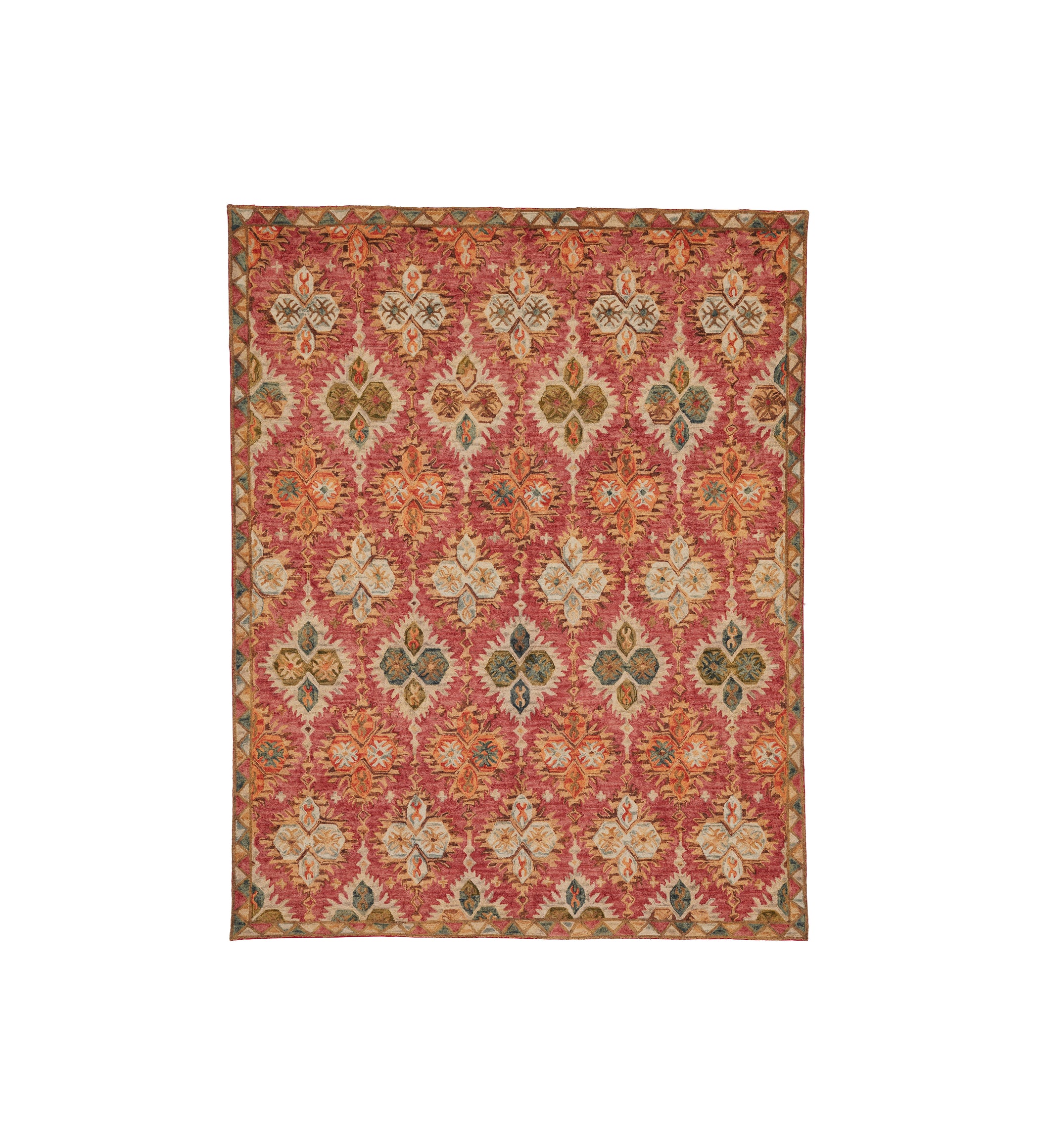
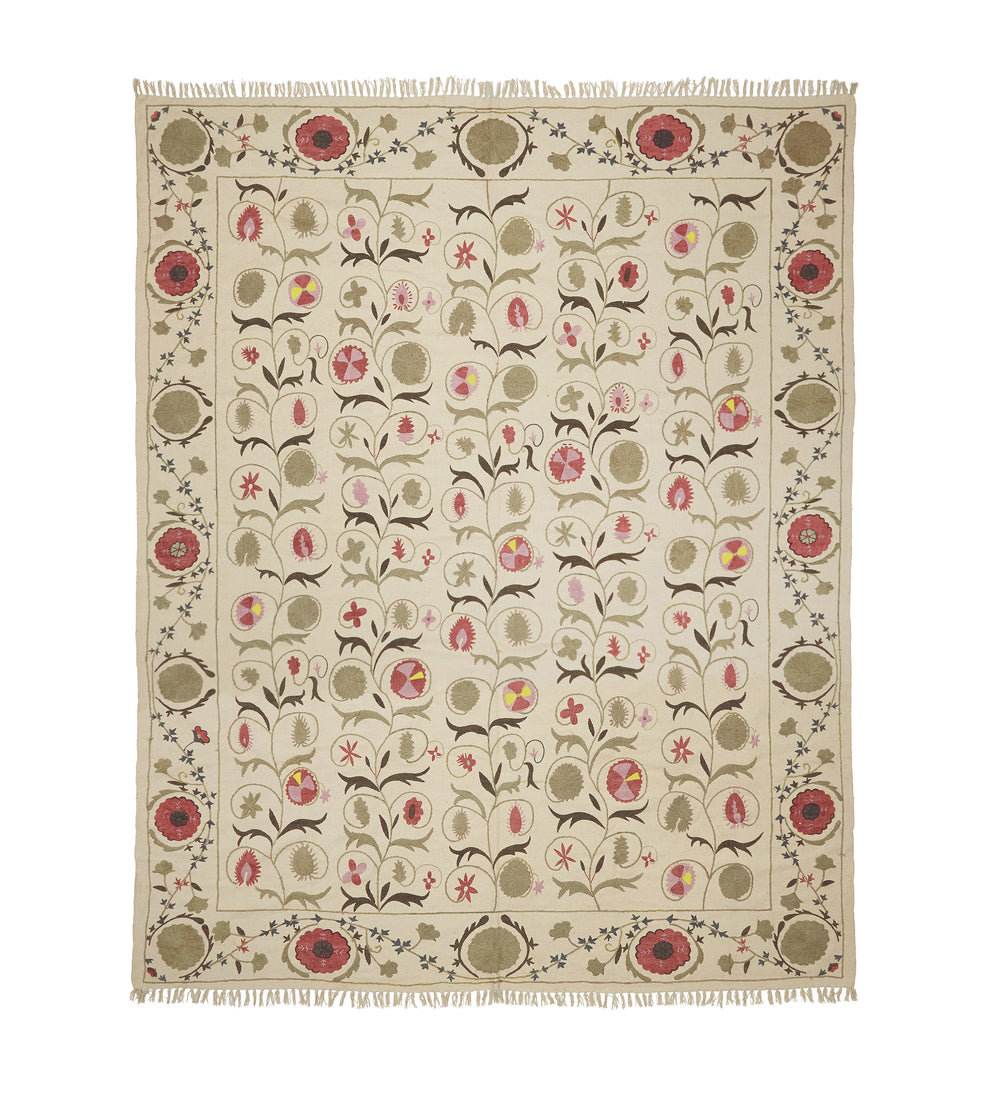
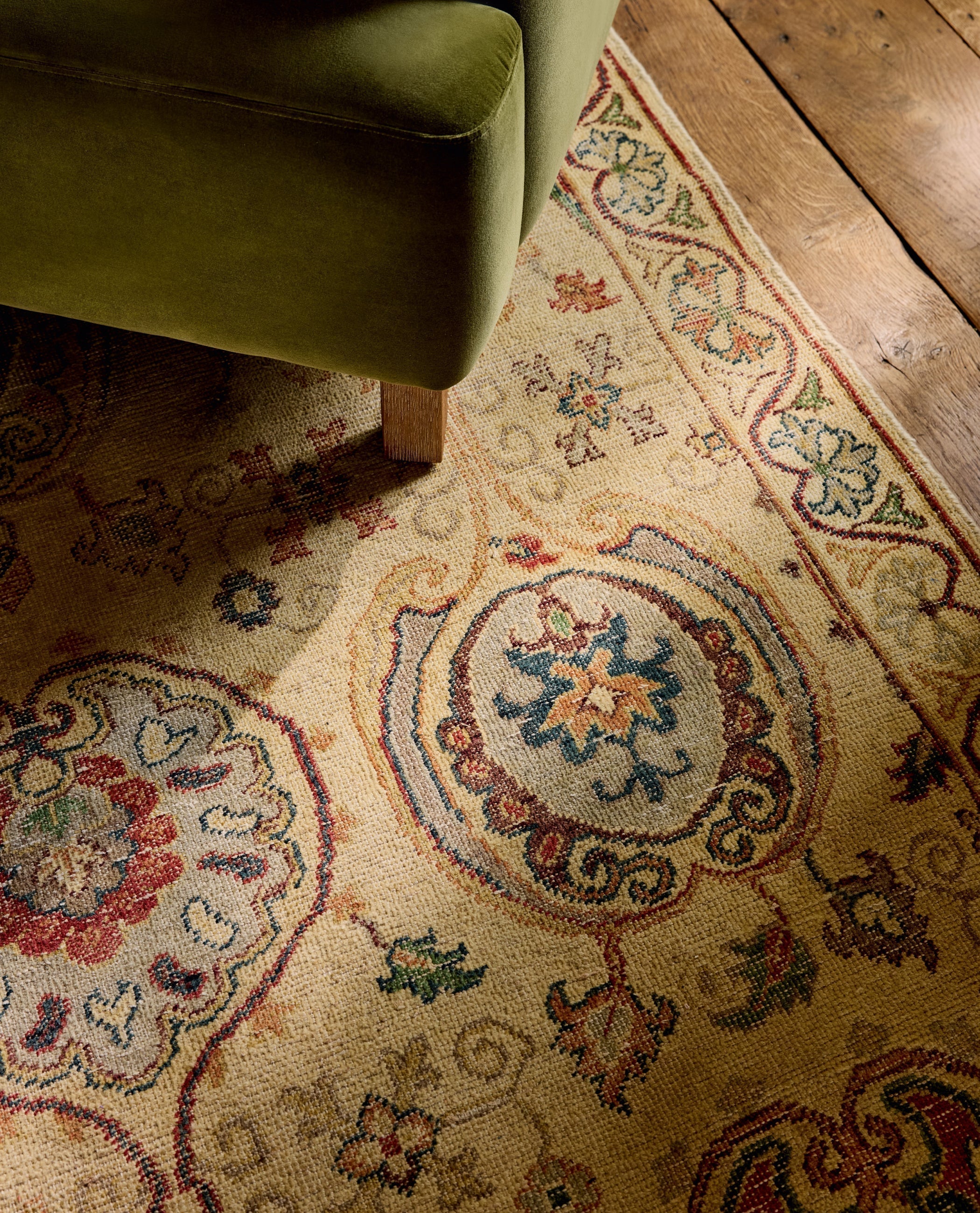
Some designs reinterpret the faded elegance of antique Persian and Oushak carpets, as seen in our Carulea and Berina Rugs. Others look to the bold floral motifs of traditional Suzani textiles. Rather than simply recreating historical patterns, each one is thoughtfully reimagined with refined proportions and carefully considered colour palettes for modern homes.


Choosing The Perfect Fibre
Every exceptional rug starts with exceptional materials. Wool has been prized for centuries for its natural warmth, softness and durability, making it a natural choice for rugs created to withstand the rhythms of everyday life. It’s naturally resilient, feels wonderfully soft underfoot and takes on colour beautifully.
The wool used in our rugs comes from neighbouring regions including Iran, Iraq, Afghanistan and Saudi Arabia, where the fibres are valued for their natural sheen, softness, and lower micron count. Once spun into yarn, it forms the foundation for rugs with rich colour, beautiful texture and lasting quality.
Colour Comes to Life
Colour plays a vital role in bringing every design to life. Before weaving begins, the wool is carefully washed to remove any natural impurities, allowing it to absorb colour evenly and ensuring each shade remains rich and vibrant. Experienced dye masters then mix colours by hand before the yarn is immersed in large dye vats. Working in small batches allow subtle variations to develop naturally, giving each rug a depth and character that can’t be replicated by machines.
As the yarn dries naturally, these gentle shifts in tone become part of the finished design. Known as abrash, these variations are a hallmark of traditional rug making, adding individuality so that no two rugs are ever exactly alike.
Finally, every batch of yarn is carefully checked to ensure the colours meet the desired standard before weaving begins.
Explore Rugs
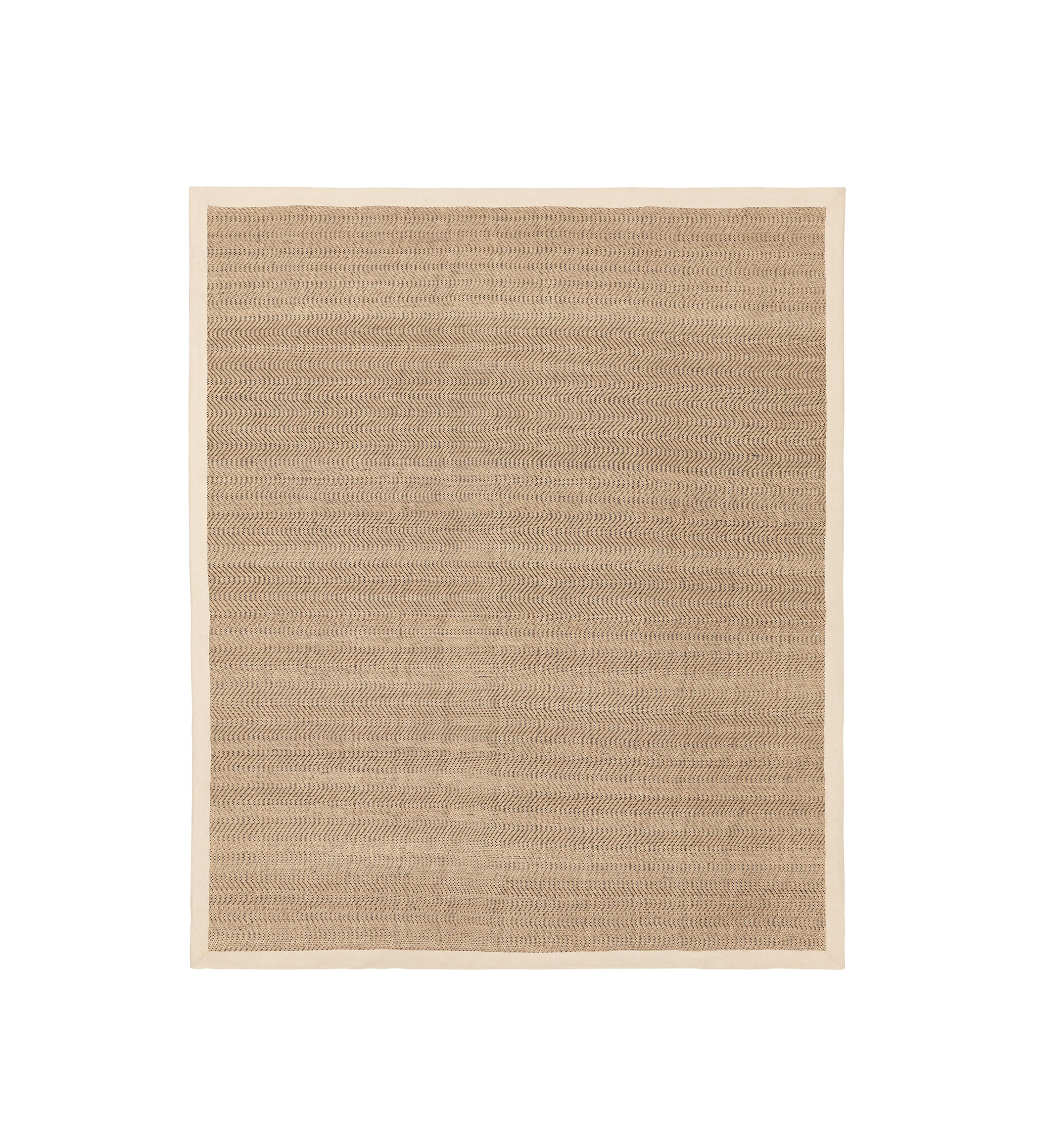

Medanoso Rug 240x305cm - Natural
Hand Finished
£995.00


Alanya Runner 90x300cm - Multi
Hand Finished
£495.00

Arriving Nov 14
oka icon
oka icon


oka icon
oka icon


Carulea Rug 244x305cm - Venetian Blue
Handmade
£2,295.00

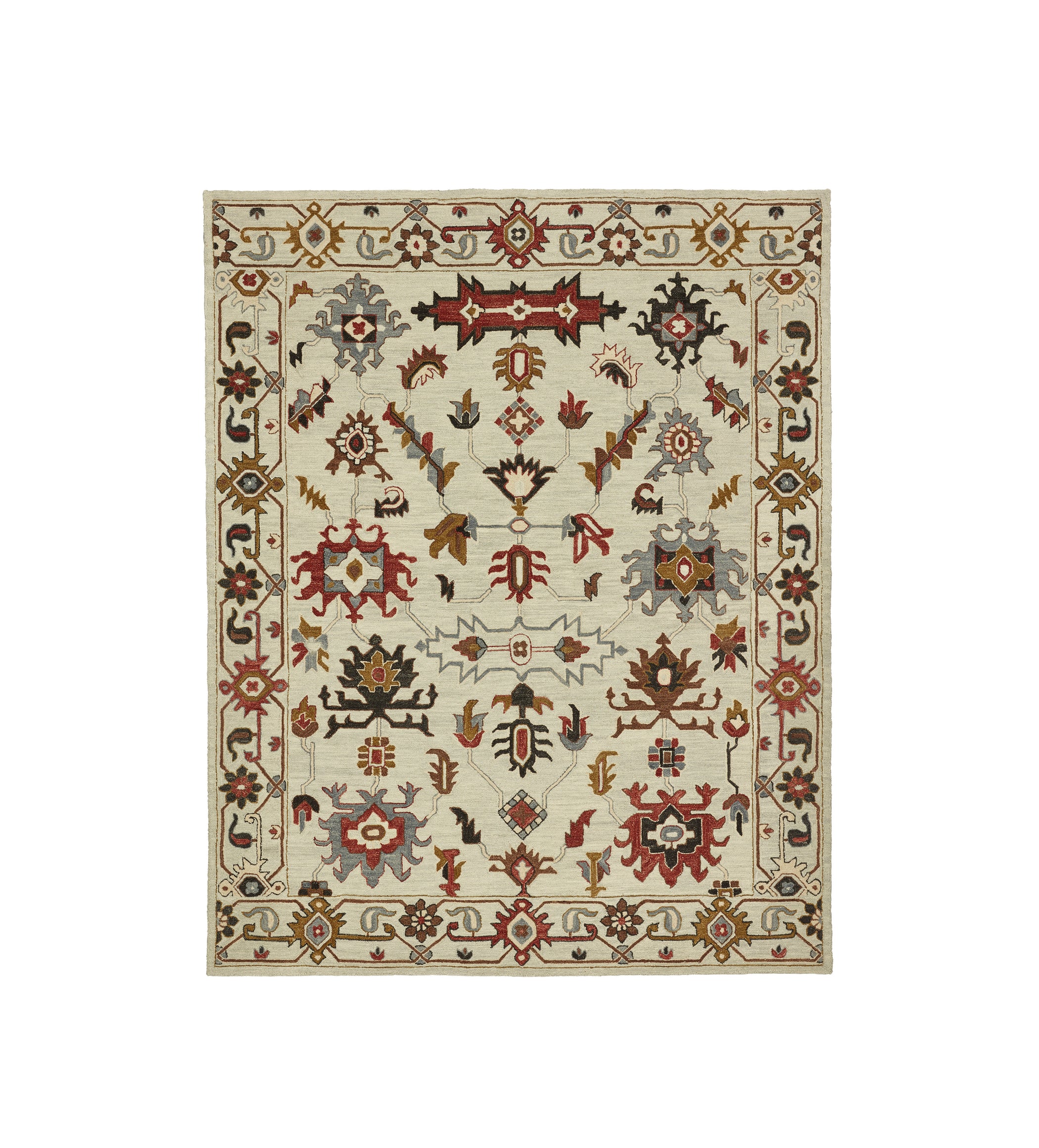

Homar Rug 244x305cm - Pale Blue/Multi
Hand Finished
£1,595.00

Arriving Oct 28
Artisan Techniques
Our rugs are made using centuries-old techniques and labour-intensive methods that prioritise quality and showcase intricate detail.
Hand-knotted
The most traditional technique, hand-knotting involves skilled artisans tying individual knots by hand onto the warp threads. This labour-intensive process requires exceptional craftsmanship and patience, often taking several months to complete a single rug depending on its size and knot density. As demonstrated by our Kompos Rug, the hand-knotting technique ensures remarkable durability, meticulous detailing, and a unique character.
Hand-Tufted
A hand-tufted rug’s journey begins with skilled designers carefully creating the artwork, selecting each colour and detail. The design is then transferred onto a stretched cotton canvas and fixed onto a wooden frame. Artisans then use a tufting gun to insert yarn into the canvas. With every careful movement, loops of wool or other fibres are pushed through the backing, following the design lines marked on the canvas. Each line must be followed with precision, each colour placed correctly, and each pile height maintained with care.
Once the tufting is complete, the back of the rug is coated with latex to lock the yarn firmly in place and give the rug its strength and stability. A secondary backing is then applied to protect the structure and create a clean finish. The pile is trimmed evenly, the surface is carved and every detail is checked.


Handloom Jacquard
Named after inventor Joseph Marie Jacquard, handloom Jacquard rugs are woven on traditional handlooms using a Jacquard mechanism. This allows intricate patterns and detailed designs to be created during the weaving process. Unlike printed designs, the pattern is formed through the interlacing of yarns, giving each piece its unique texture. This technique offers greater flexibility in design, making it possible to produce complex motifs with high precision. In comparison to mass-produced rugs, the process is entirely controlled by an artisan, from the loom and yarn tension to weaving quality.
Handloom Jacquard rugs are generally made using quality materials such as wool, cotton, jute, viscose or blended yarns. The choice of yarn gives the rug its unique character, whether it is soft and luxurious or durable for everyday use.
The Art of Finishing
While it’s easy to assume weaving is the final step in the rug making process, there are several finishing touches artisans do to ensure an exceptional quality finish.
oka icon
oka icon


Elsdon Rug 244x305cm - Washed Rose
Hand Finished
£4,295.00

oka icon
oka icon


Antique Washing
After a rug is woven or tufted, it goes through an antique washing process to enhance its texture, appearance, and overall finish. Water, mild cleaning agents and traditional hand techniques are used to remove impurities from the rug, giving it a better hand feel and natural sheen.
Brushing and Rinsing
During the washing process, the rug is laid flat and washed evenly to ensure proper cleaning without damaging the pile or design. The rug is then carefully brushed and rinsed so that the colours remain balanced, and the surface smooth and fresh.
Drying, Stretching and Trimming
After washing, the rug is thoroughly dried in open air or under controlled conditions. Once dry, it is further finishing through trimming, shearing and stretching. This ensures the rug has the right size, texture, softness and appearance before it is packed for delivery.


Caring For Your Rug
Rugs are more than just decor. With the right care, they can last decades and be passed through generations. Our Caring for Rugs guide offers greater insights into preservation techniques, but a few key takeaways are:
- Rugs should be regularly brushed or hoovered with a suction-only appliance to prevent the build-up of damaging dust and grit.
- Immediate spot cleaning at home in case of spills is recommended, using lukewarm water and mild detergent.
- Professional cleaning through specialist rug cleaners is mandatory in case severe cleaning and repair is required.
- Rugs should also be turned occasionally to prevent wear and tear.
- Pay attention to the placement of your rug as excessive direct sunlight can cause fading. Whilst some fading is often desirable and natural, too much ruins the look of the rug and reduces its lifespan.
A rug is more than just floor covering. It is a combination of design, craftsmanship, patience and human touch. From the first touch to the final finishing, every rug carries the story of the artisans who made it and the tradition of handmade weaving that continues to live through their work.


How to Choose Rugs For Different Rooms
At OKA, we believe rugs are the foundation of a room’s design. More than simply adding softness underfoot, the right...
Interested in more inspiration?
From tips and tricks to decorating advice and expert know-how, we've got plenty of bright ideas for the home and garden.

21 January 2026
The Story of Sheki
In the second chapter of OKA Icons, which reveals the stories behind your favourite designs, we explore our Sheki print.
20 February 2025
Caring for Rugs
Day-to-Day Maintenance We recommend that rugs are always used with an anti-slip underlay. This will prevent the rug from sliding...
13 February 2025 | Ellen Millard
How to Choose a Rug for Your Sitting Room
As our Co-Founder Sue Jones will tell you, a rug is a decorator's secret weapon. Read our guide to find the perfect fit for your home.

26 February 2026
How to Use Texture in the Bedroom
Texture has a powerful role to play in the bedroom. It’s what makes a space feel grounding, comforting and instinctively...
12 May 2025 | Jess Evans
Behind the Designs of Our Tarma Range
Our Co-Founder Sue Jones lets us in on how some of our most statement seating came to life.

